Source Recyclable Kraft Paper Gift Bag for Shopping, Packing, and Promotion
Find 30 listings for recyclable kraft paper gift bag options suitable for shopping, daily life, and promotional events. Compare customizable features like logo printing, waterproofing, and weight limits to identify the best fit for your packaging needs; compare the available evidence and request quotations based on your requirements.
Key considerations
Products List




Comprehensive Sourcing Guide
Recyclable Kraft Paper Gift Bag Sourcing Guide
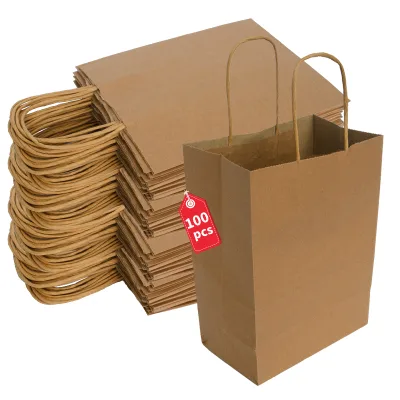
Buyers evaluating recyclable kraft paper gift bags must first distinguish between standard brown variants and white options, as the supplied data indicates both color profiles exist in the market. The core material is consistently identified as kraft paper, which aligns with the sustainability goals of modern packaging strategies. Procurement teams should verify that the specific supplier offers the desired color finish, as the observed listings show distinct product lines for brown and white configurations. This distinction impacts the visual branding potential for retail or promotional use cases.
The functional scope of these bags extends beyond simple storage to include shopping, promotion, packing, and gifting applications. Observed product attributes confirm a weight capacity ranging from 5 to over 10 kilograms, making them suitable for diverse load requirements. Buyers must ensure the selected model matches their specific usage scenario, whether for heavy retail items or lighter promotional giveaways. The presence of handles is a standard feature, enhancing usability for consumers carrying goods in daily life or commercial settings.
Product Scope and Observed Listing Signals
The market for these bags presents a wide range of minimum order quantities, with observed thresholds varying significantly from 500 pieces to 50,000 pieces. This variance suggests that suppliers cater to different business scales, from small startups to large-scale distributors. Procurement planners must align their order volume with the specific supplier's MOQ to avoid unnecessary capital tie-up or rejection of smaller orders. The flexibility in order size is a critical commercial factor that influences the initial feasibility of the sourcing project.
Product models such as GRY-015 and various 0007 series codes indicate a structured catalog of available designs. These models often feature customizable dimensions, with standard sizes like 42x25cm or 40x35x12cm serving as baseline templates. Buyers should expect that the final product shape will be rectangular, designed to maximize shelf space and stacking efficiency. The availability of customization allows brands to tailor the physical footprint of the bag to their specific product dimensions.
Technical Specifications to Verify
Hardness and thickness are critical performance metrics that determine the durability of the recyclable kraft paper gift bag. The observed data specifies a medium-soft hardness, which suggests a balance between structural integrity and ease of folding. However, thickness is listed as a customizable parameter, meaning buyers must explicitly define the required gram weight or ply count during the specification phase. Relying on generic descriptions without confirming the exact thickness can lead to bags that fail under the intended load.
Waterproofing capabilities are another essential technical attribute to validate, as some listings explicitly claim waterproof properties while others do not. This feature is vital for applications involving food or chemical products where moisture resistance is necessary. Buyers should request physical samples to test the coating or treatment applied to the paper, ensuring it meets the specific environmental conditions of the supply chain. The absence of a universal waterproof standard means verification is mandatory for every new supplier engagement.
Compliance and Safety Documentation
Certification status is a primary indicator of quality and regulatory compliance for paper packaging products. The supplied facts confirm that some suppliers provide SGS and TUV certifications, which are recognized standards for product safety and material quality. Procurement teams must verify that the specific batch of bags carries these valid certificates before finalizing a large order. Without these documents, the risk of non-compliance with international safety regulations increases significantly.
The Harmonized System code 48173000 provides a standardized classification for paper bags, which is essential for accurate customs declaration and duty calculation. Buyers should ensure that the supplier's documentation aligns with this code to prevent logistical delays at borders. Additionally, the origin of the product, typically listed as China Mainland or specific provinces like Anhui, influences the regulatory framework applicable to the goods. Understanding the origin helps in assessing potential trade barriers or specific import requirements for the destination market.
Cost Drivers and Commercial Terms
Pricing for these bags is influenced heavily by the customization level and the volume of the order. The observed price range of 0 to 1.26 USD per unit indicates that costs fluctuate based on factors like logo printing, color, and specific dimensions. Buyers should anticipate that adding custom logos or unique color finishes will increase the unit cost compared to standard brown or white options. Volume discounts are likely available, but the specific tiered pricing structure must be negotiated directly with the supplier.
Lead times and sample availability are key commercial terms that affect the overall procurement timeline. Production times are observed to range from 15 to 40 days, with sample times typically taking 5 to 7 days. These durations must be factored into the supply chain planning to ensure inventory levels are maintained. Delays in sample approval can cascade into significant delays in mass production, so early engagement on the sample phase is crucial for maintaining schedule adherence.
Supplier Qualification and Quality Control
Supplier qualification should include a review of their OEM and ODM capabilities, as the data indicates acceptance of custom logos and designs. This flexibility allows brands to create unique packaging that aligns with their identity, but it requires a robust quality control process to ensure consistency. Buyers must establish clear acceptance criteria for the printed logo and the structural integrity of the handles before mass production begins. The ability to accept custom requirements is a strength, but it demands rigorous oversight.
Packing methods vary between individual OPP bag packing and bulk carton or pallet configurations, impacting both protection and logistics efficiency. The choice of packing should be dictated by the shipping method, whether by express, sea, or air, to prevent damage during transit. Suppliers offering carton and pallet packing are better suited for large shipments, while individual bagging may be preferred for direct-to-consumer fulfillment. Verifying the packing standard ensures that the product arrives in sellable condition.
Long-Term Procurement Checks
Sustainability and material sourcing are long-term considerations that require ongoing verification of the raw materials used. While the primary material is identified as paper, buyers should confirm the recyclability claims and the source of the kraft paper to ensure alignment with corporate environmental goals. The FSC certification is mentioned in background data, suggesting that certified sustainable forestry options may be available. Procurement teams should prioritize suppliers who can provide transparent documentation regarding their material sourcing practices.
Logistics and shipping attributes, such as the classification as general goods, influence the long-term cost and reliability of the supply chain. Buyers should monitor the consistency of lead times and the reliability of shipping partners over multiple orders. Establishing a relationship with a supplier who can consistently meet the 15-40 day production window is essential for maintaining a stable inventory. Regular audits of the supplier's performance against these metrics will help mitigate risks associated with supply chain disruptions.
FAQs
Can I customize the logo on these kraft paper bags?
Yes, customized logo printing is available for these recyclable kraft paper gift bags. The product supports OEM and ODM services, allowing buyers to add their specific branding. This customization option ensures that the bags align with your promotional or retail needs while maintaining the standard kraft paper material quality.
What is the minimum order quantity for these bags?
The minimum order quantity varies by product model, ranging from 500 pieces to 20,000 pieces. Specific models like GRY-015 require 10,000 pieces, while others may start at 500 or 3,000 pieces. Buyers should check the specific model requirements to determine the exact MOQ applicable to their order size.
Are these paper bags waterproof and durable?
Yes, the product is described as waterproof and suitable for various uses including shopping and daily life. The bags feature a medium soft hardness and can hold weights between 5-10 kg or over 10 kg depending on the specific model. This durability makes them reliable for carrying heavier items securely.
What certifications do these kraft paper bags have?
The product listings indicate that certifications such as SGS and TUV are available for these recyclable kraft paper gift bags. These certifications help verify product quality and safety standards. Buyers requiring specific compliance documentation should confirm the availability of these certificates with the supplier during the ordering process.
How long does production take for these bags?
The lead time for production is typically between 15 and 40 days. This timeframe allows for manufacturing and quality checks before shipping. Buyers should plan their procurement schedule accordingly to ensure timely delivery, especially for large orders or customized designs that may require additional processing time.
What packaging methods are used for shipping these bags?
The bags are packed in cartons and pallets for bulk shipping, or in individual OPP bags plus cartons for smaller quantities. This flexible packaging ensures safe transport and protection during logistics. The specific packing method depends on the order volume and the supplier's standard operating procedures for efficient handling.